Homemade Pumpkin Seed Milk: The Ultimate Plant-Based Kitchen Guide
A creamy, nut-free plant milk made from raw pumpkin seeds — easy to soak, blend, and strain, with barista tips and zero-waste pulp ideas.
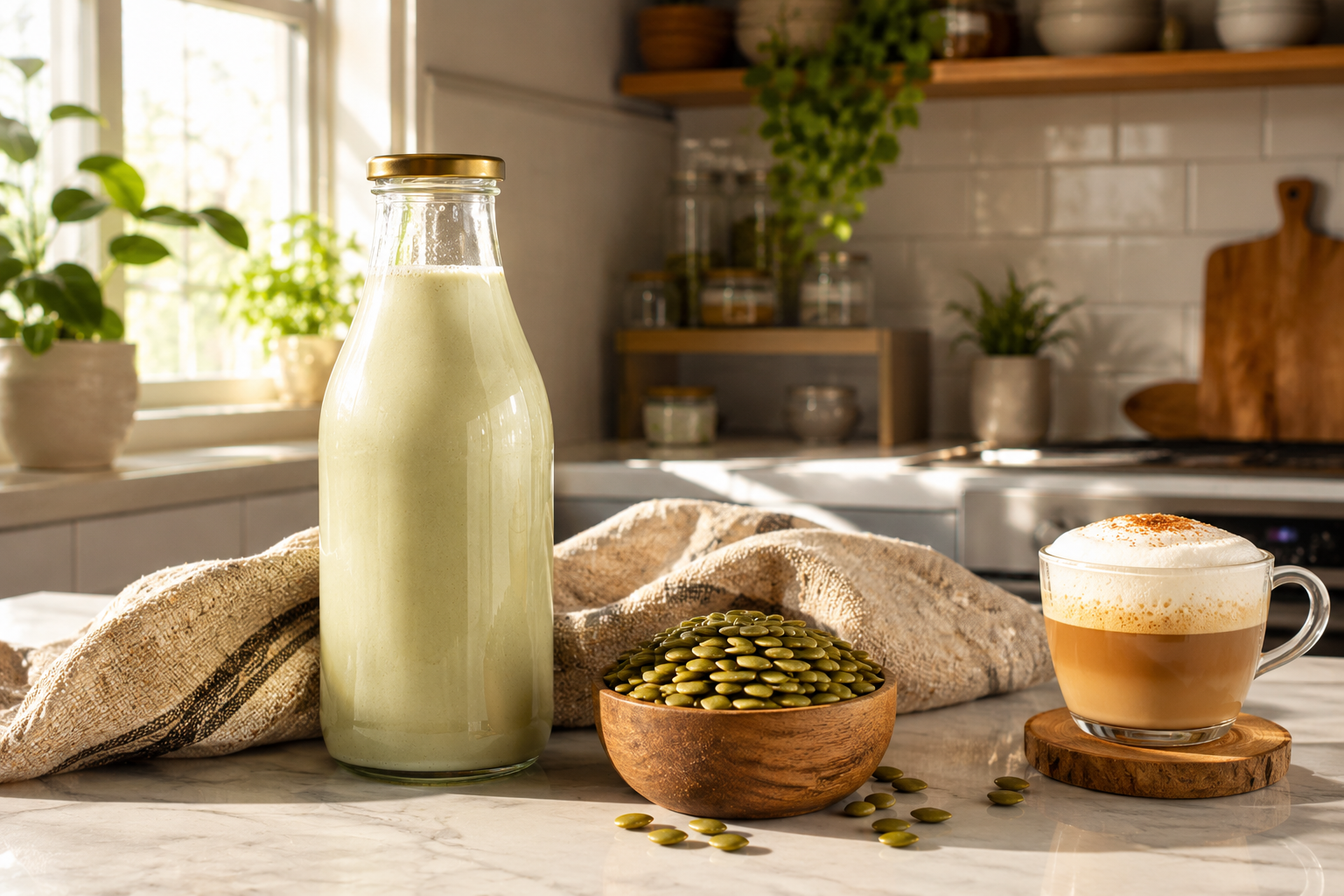
Homemade Pumpkin Seed Milk Recipe (Creamy & Nut-Free)
Written by Emily Mia, Home Cook & Recipe Creator · Reviewed by the CookeTricks Editorial TeamPublished: July 16, 2026 · Last updated: July 17, 2026
Making your own dairy-free alternatives at home has evolved from a niche health trend into a culinary art. While almond, oat, and soy milks dominate grocery store shelves, there is an unsung hero waiting in your pantry: pumpkin seeds.
Packed with essential nutrients, incredibly easy to prepare, and naturally allergen-friendly, homemade pumpkin seed milk is a game-changer for your morning coffee routine, baking projects, and savory recipes. In this comprehensive guide, we'll walk you through the science, preparation, and creative culinary uses of this vibrant, creamy plant-based milk.
Quick Answer
How do you make pumpkin seed milk at home? Soak raw, unsalted pumpkin seeds for 8 to 12 hours, rinse, then blend with cold filtered water and a pinch of salt for 60 to 90 seconds. Strain through a nut milk bag and refrigerate. Full quantities and step-by-step instructions are in the recipe card below.
Key Takeaways
- Allergen-Free Alternative: Naturally nut-free, soy-free, gluten-free, and dairy-free.
- Nutrient Dense: Rich in bioavailable magnesium, zinc, plant proteins, and healthy monounsaturated fats.
- Texture & Performance: Froths beautifully for barista-style coffee and substitutes 1:1 for dairy milk in baking.
- Zero Waste: Leftover seed pulp can be upcycled into crunchy salad toppers or nutrient-rich energy bites.
Table of Contents
- Why Pumpkin Seed Milk is the Next Big Plant Milk Trend
- The Science of Soaking: Why It Matters for Nutrition and Texture
- Mastering the Flavor Balance: Sweet vs. Savory Variations
- Kitchen Applications: From Creamy Cappuccinos to Savory Soups
- Zero-Waste Kitchen Tips: Creative Ways to Upcycle Pumpkin Seed Pulp
- Food Safety, Storage, and Freezing Best Practices
- Expert Tips for Perfect Homemade Plant Milk
- Common Mistakes to Avoid
- Frequently Asked Questions (FAQs)
- Recipe Card
- Conclusion
1. Why Pumpkin Seed Milk is the Next Big Plant Milk Trend
As more households shift toward plant-forward diets, many home cooks are seeking nut-free milk alternatives that don't rely on soy. Pumpkin seed milk (sometimes called pepita milk recipe territory in its own right) stands out because of its nutritional profile and potential sustainability benefits.
Exceptional Nutritional Profile
Pumpkin seeds are a good source of essential minerals. They are notably rich in magnesium, which supports muscle recovery and sleep quality, and zinc, a vital mineral for immune function. Additionally, they provide a healthy dose of plant-based proteins and heart-healthy monounsaturated and polyunsaturated fats.
Allergy-Friendly and Inclusive
Unlike almond, cashew, or soy milks, pumpkin seed milk is naturally free from the most common allergens. It is completely nut-free, gluten-free, soy-free, and dairy-free, making it a welcoming nut-free milk alternative for school lunches, family gatherings, and households with multiple dietary restrictions.
Eco-Friendly and Budget-Conscious
Growing pumpkin seeds generally requires less irrigation in many growing regions compared to cultivating almonds, though exact water use varies by climate, soil, and farming practices. Moreover, raw pepitas are often more affordable than premium macadamia nuts or cashews, allowing you to create a high-quality, creamy milk at a lower cost than some store-bought alternatives.
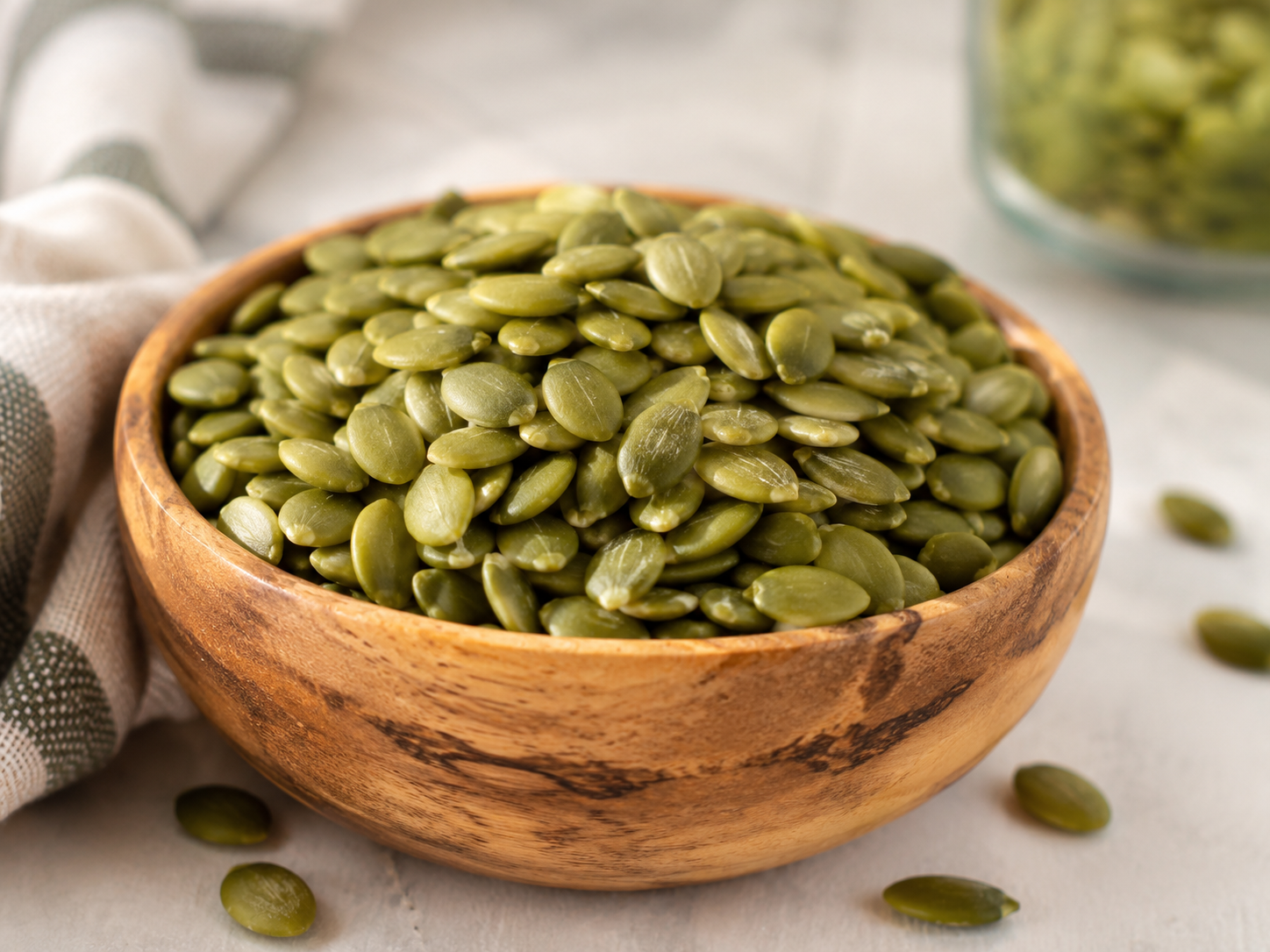
2. The Science of Soaking: Why It Matters for Nutrition and Texture
The secret to a velvety-smooth plant milk lies in a single, simple preparatory step: soaking. While it may be tempting to toss raw seeds directly into a high-speed blender, skipping the soak can affect both the nutritional value and the final texture of your beverage.
Reducing Phytic Acid (Phytates)
Like many seeds, nuts, and grains, pumpkin seeds contain phytic acid. This naturally occurring compound binds to minerals like iron, zinc, and magnesium in the digestive tract, which can reduce the amount your body absorbs. Soaking the seeds in water may help activate phytase enzymes, which can help break down phytic acid, potentially improving mineral bioavailability.
Softening the Seed Structure for Maximum Yield
Soaking hydrates the dry cellular structure of the seed, softening the outer layers and making them more pliable. When blended, hydrated seeds tend to break down more easily. This can result in a creamier emulsion, a higher yield of milk, and less gritty sediment at the bottom of your pitcher.
3. Mastering the Flavor Balance: Sweet vs. Savory Variations
On its own, pure pumpkin seed milk has a mild, earthy, and slightly nutty flavor with a lovely, subtle green tint. This neutral profile makes it a versatile canvas for both sweet and savory kitchen applications.
Modification Style
Key Ingredients to Add (per 1.5 Liters)
Best Suited For
Warm Vanilla Sweet
1 tsp pure vanilla extract, 1 tbsp pure maple syrup or brown sugar, 1/4 tsp ground cinnamon
Morning coffee, lattes, oatmeal, pancake batters, and drinking straight from the glass.
Rich Caramel (Date Sweetened)
2 to 3 soft Medjool dates (pitted and blended directly with the seeds), 1/4 tsp sea salt
Afternoon treats, breakfast bowls, and dessert-like smoothies.
Golden Milk
1/2 tsp ground turmeric, 1/4 tsp ground ginger, a pinch of black pepper, 1 tbsp honey
Warming evening drinks, herbal tea lattes, and comforting morning elixirs.
Savory Herb Base
1 small clove of garlic (or 1/4 tsp garlic powder), 1 tbsp nutritional yeast, a pinch of black pepper
Creamy soup bases, vegan alfredo sauces, and savory baking recipes.
4. Kitchen Applications: From Creamy Cappuccinos to Savory Soups
Because homemade pumpkin seed milk contains natural proteins and healthy fats, it can behave well when heated, frothed, or baked, though results may vary depending on freshness and technique.
Crafting a Dairy-Free Cappuccino
Many commercial plant milks contain stabilizers to help them foam. You can attempt a respectable microfoam at home naturally:
- Warm your pumpkin seed milk gently on the stovetop over low-medium heat (avoid boiling, as high heat can cause fresh, preservative-free plant proteins to curdle).
- Use a handheld milk frother or a French press plunger to aerate the warm milk until foam forms.
- Pour over a freshly pulled double shot of espresso for a nut-free, dairy-free cappuccino.
Elevating Your Baking and Cooking
- Cakes and Muffins: Use pumpkin seed milk as a 1:1 substitute for dairy milk or buttermilk in most recipes (add 1 teaspoon of apple cider vinegar to a cup of seed milk to create a quick plant-based buttermilk substitute). It can add moisture and subtle richness to quick breads.
- Savory Soups: Stir a splash of unsweetened pumpkin seed milk into blended vegetable soups (such as butternut squash, potato leek, or roasted tomato soup) right before serving to add creaminess without heavy dairy creams.
- Creamy Breakfast Bowls: Cook your morning rolled oats, quinoa flakes, or chia puddings in pumpkin seed milk for an added boost of zinc and magnesium — a natural fit if you already build meal-prepped breakfasts for the week.
5. Zero-Waste Kitchen Tips: Creative Ways to Upcycle Pumpkin Seed Pulp
Making homemade milk leaves behind a fine, nutrient-rich pulp in your straining bag. Throwing this away is a missed opportunity. Here are three simple zero-waste kitchen tips for your leftover pepita pulp:
Roasted Salad Sprinkles
Spread the damp pumpkin seed pulp in a thin, even layer on a baking sheet lined with parchment paper. Lightly drizzle with olive oil, sea salt, garlic powder, and smoked paprika. Bake at 150°C (300°F) for 20 to 25 minutes, stirring occasionally, until completely dry and crispy. Use this crunchy, savory mixture as a topping for green salads, grain bowls, or roasted vegetables.
Energy Bites and Protein Balls
Combine the moist pulp with rolled oats, ground flaxseed, a scoop of your favorite protein powder, a splash of maple syrup, and a spoonful of seed butter. Roll into bite-sized balls and store them in the fridge for an easy, pre-workout snack with healthy fats and fiber. These also freeze well if you meal prep snacks in batches.
Plant-Based Flour Substitute
Dehydrate the pulp in a low-temperature oven (around 90°C or 200°F) for 2 to 3 hours until all moisture has evaporated. Run the dried pulp through a clean coffee grinder or food processor to create a fine, gluten-free, nut-free seed flour. Swap out up to 25% of the regular flour in cookie or brownie recipes with this flour to add texture and nutrients.
6. Food Safety, Storage, and Freezing Best Practices
Because homemade plant milks do not contain artificial preservatives, emulsifiers, or stabilizers, proper storage and food safety practices are important for maximizing shelf life and maintaining quality.
Refrigeration Guidelines
Store your fresh pumpkin seed milk in an airtight glass container in the coldest section of your refrigerator (typically the back of the bottom shelf, rather than the door shelves, which experience more temperature fluctuation). Kept under these conditions, it will generally remain fresh for 3 to 4 days.
Food Safety Note: Raw pumpkin seeds intended for consumption are generally considered safe to blend and drink when handled with clean hands and utensils. Gentle warming is a matter of culinary preference rather than a food safety requirement. If you have any concerns — especially if serving young children, pregnant individuals, or anyone immunocompromised — consult current food safety guidance or a healthcare professional. This note reflects general food-safety practice and isn't a substitute for individualized medical advice.
Natural Separation is Normal
Do not be alarmed if your milk separates into a thicker layer at the top and a watery layer at the bottom after a few hours. This is a natural physical reaction of an emulsion without chemical stabilizers. Simply give the bottle a vigorous shake before each use to re-emulsify the mixture.
Freezing for Future Use
If you want to make a larger batch, pumpkin seed milk can be frozen for later use.
- Portion Control: Pour the milk into clean, small glass jars (leaving at least an inch of headspace at the top to allow for liquid expansion as it freezes) or silicone ice cube trays.
- Thawing: Thaw frozen milk in the refrigerator overnight. Because freezing can break the natural emulsion, give the thawed milk a quick whirl in the blender for 10 seconds to help restore its texture.
7. Expert Tips for Perfect Homemade Plant Milk
- Choose Raw, Unsalted Seeds: Purchase raw, green pumpkin seeds (pepitas) for making milk. Roasted or salted seeds will yield a heavier, saltier milk that is less versatile in sweet dishes.
- Use High-Quality Water: Since water makes up the majority of this beverage, using filtered or bottled water rather than tap water may improve the flavor of your finished milk.
- Optimize Your Strainer: For a silkier milk closer to commercial barista blends, use a dedicated nylon nut milk bag. A good high-speed blender also makes a noticeable difference in yield and smoothness. Standard kitchen colanders are coarser and may let fine grit pass through.
8. Common Mistakes to Avoid
- Using Hot Water to Blend: Use ice-cold or chilled water when blending your milk. Warm water can heat up further during high-speed blending, which may affect the delicate plant proteins and fats, altering the fresh taste and texture.
- Skipping the Rinse Step: Avoid using the water the seeds soaked in to blend your final milk. This water contains released phytic acid, bitter compounds, and surface dust. Rinse and discard it.
- Letting the Seeds Soak Too Long at Room Temp: Leaving seeds soaking on a warm kitchen counter for more than 12 hours can increase the risk of bacterial growth. If you need a longer soak time, keep the bowl in the fridge.
9. Frequently Asked Questions (FAQs)
Can I make pumpkin seed milk without a nut milk bag?
Yes. You can use a clean, tight-weave cotton cheesecloth, an unused clean kitchen towel, or even a paper coffee filter set inside a funnel. If you own a high-performance blender and prefer a thicker, high-fiber drink, you can skip straining entirely, though the texture will be less silky.
Does pumpkin seed milk taste like pumpkin?
No. Pumpkin seed milk is made from the green hulless seeds (pepitas) found inside certain pumpkin varieties. It has a mild, earthy, slightly nutty, and creamy flavor. It does not taste like pumpkin pie spice or pumpkin puree.
Can I use this milk in hot coffee without it curdling?
To help reduce the chance of natural plant milks curdling or separating in hot coffee, try warming the milk slightly before pouring it into your cup, and avoid highly acidic coffee roasts. Pouring very cold homemade milk directly into very hot, acidic coffee is a common cause of separation.
Is pumpkin seed milk safe for toddlers and children?
It can be a nutrient-dense, allergen-friendly option for many children. However, it should not be used as a substitute for infant formula, and any dietary changes for young children should be discussed with a pediatrician.
Why is my homemade milk slightly green?
The green hue comes from natural chlorophyll present in the outer skins of raw pepitas. This is a normal characteristic of a fresh, unprocessed product.
Can I boil this milk to make hot cocoa?
You can heat this milk, but it's best done gently over low-medium heat. Boiling fresh plant milk on high heat can cause the proteins to denature and clump. Slow, gentle heating tends to work better.
How do I know if my pumpkin seed milk has gone bad?
Fresh seed milk typically has a clean, neutral aroma. If it develops a sour smell, an unusually bitter taste, or visible mold, it should be discarded.
Can I use salted pumpkin seeds if I rinse them?
This is generally discouraged. Roasted and salted seeds have already absorbed sodium into their structure, which will likely make your finished milk taste noticeably salty and limit its use in sweet recipes.
10. Recipe Card
Creamy Homemade Pumpkin Seed Milk
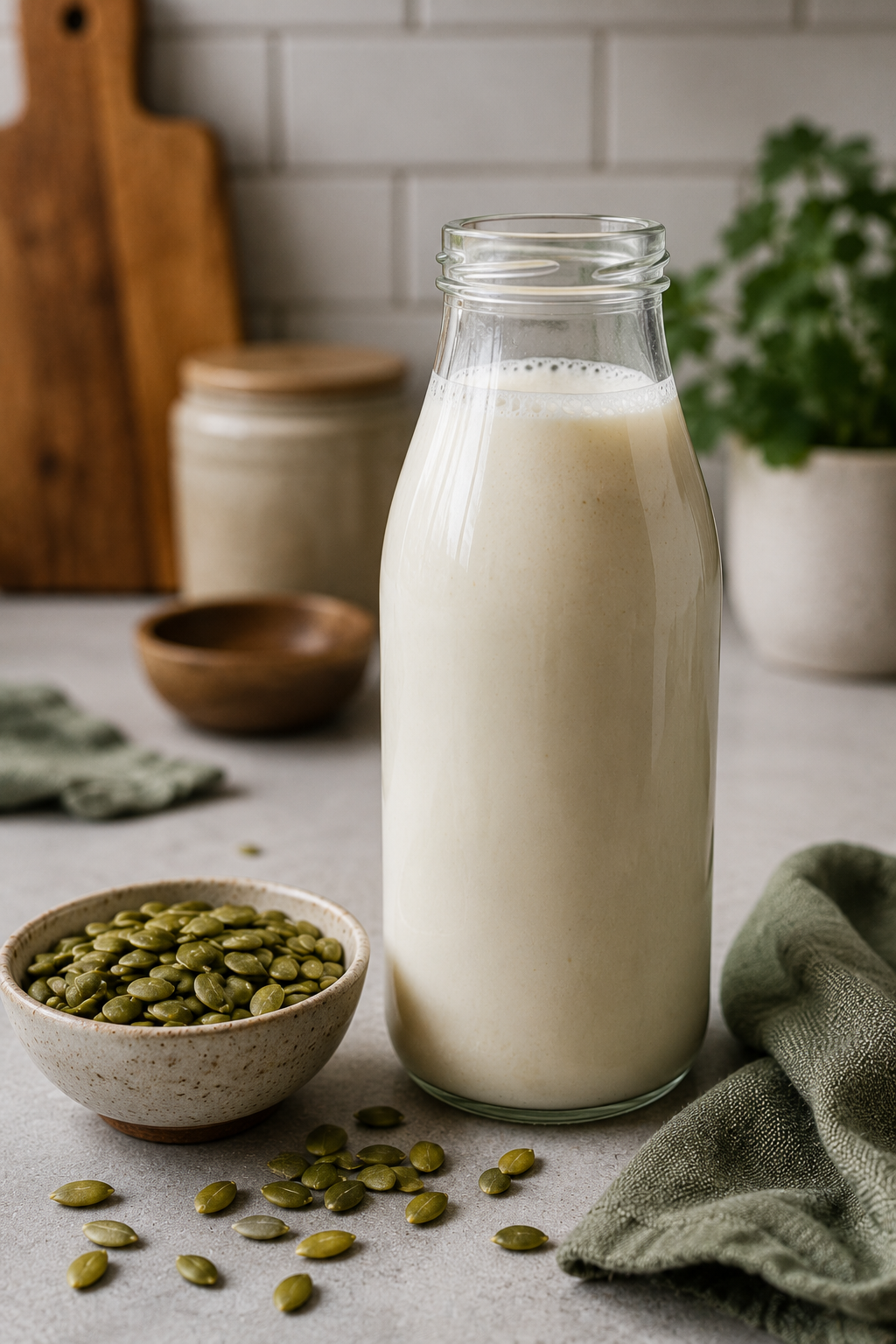
Prep Time: 10 minutes (plus 8–12 hours soaking time) · Cook Time: 0 minutes · Yield: 1.5 liters / approx. 6 cups · Category: Beverage / Dairy Alternative · Method: Blended, Strained · Diet: Vegan, Vegetarian, Plant-Based, Nut-Free, Gluten-Free
Instructions
- Soak: Submerge pumpkin seeds in cool water inside a glass bowl. Let stand for 8 to 12 hours at room temperature (or in the fridge during hot weather).
- Rinse: Pour the seeds into a fine mesh colander. Discard the cloudier soak water and rinse thoroughly under cold running water until clean.
- Blend: Transfer the clean seeds to a high-speed blender pitcher. Add the fresh water and salt. Cover tightly and blend on high speed for 60 to 90 seconds until milky and uniform.
- Strain: Pour the mixture through a nut milk bag or cheesecloth suspended over a large bowl or pitcher. Gently express all the milk by squeezing from the top down, leaving a compact pulp behind.
- Store: Bottle the fresh strained milk in a sterilized glass jar, seal tightly, and refrigerate immediately.
Nutrition Facts (Per 1-Cup Serving)
Nutrient
Amount
Calories
75 kcal
Total Fat
6.2g (Saturated Fat: 1.1g)
Sodium
45mg
Total Carbohydrates
1.5g (Fiber: 0.8g, Sugars: 0.2g)
Protein
3.8g
Magnesium
20% DV
Zinc
15% DV
Nutrition values are approximate and may vary depending on ingredients and preparation.
Recipe Variations
- Barista Vanilla Blend: Add 1 teaspoon pure vanilla extract and 1 tablespoon brown sugar or maple syrup directly to the blender before processing.
- Velvety Medjool Sweetener: Blend in 2 pitted Medjool dates along with the fresh seeds for a natural, caramel-like sweetness.
Recipe Notes
- Discard the soaking water — using it can make the milk taste more bitter and may reduce nutrient extraction.
- Natural separation will occur over time. Shake the stored glass jar before pouring to recombine the elements.
Reader Tips from the Kitchen
"If you don't have a nut milk bag, a clean, unused cotton t-shirt or tea towel strains the seed milk well without letting much sediment slip through." — Sarah M., Vermont
11. Conclusion
Crafting your own creamy, allergen-friendly pumpkin seed milk is a satisfying, potentially healthier, and lower-waste addition to your culinary routine. By taking the time to properly soak and rinse your pepitas, you may improve nutrient bioavailability and lay the foundation for a smoother texture. Whether you're pouring it into a frothy morning cappuccino, whisking it into a cake batter, or baking the leftover pulp into savory salad toppings, this plant milk brings versatile, eco-conscious options to your kitchen.
Call To Action
Ready to try a new addition to your morning coffee routine? Grab a bag of raw pepitas and start your soak tonight. Don't forget to save your leftover pulp to make our crispy salad toppings. If you enjoyed this recipe, save this post to your favorite healthy living board on Pinterest and share your results in the comments below.
Homemade Pumpkin Seed Milk: The Ultimate Plant-Based Kitchen Guide
Ingredients
- •120g (1 cup) raw, unsalted pumpkin seeds (pepitas)
- •1.5 liters (6 cups) cold filtered water
- •1 pinch fine sea salt