10 Refrigerator Mistakes That Waste Energy and Spoil Food
Discover the most common refrigerator mistakes that can shorten food freshness, increase electricity usage, and affect cooling performance. Learn how to store food the right way.
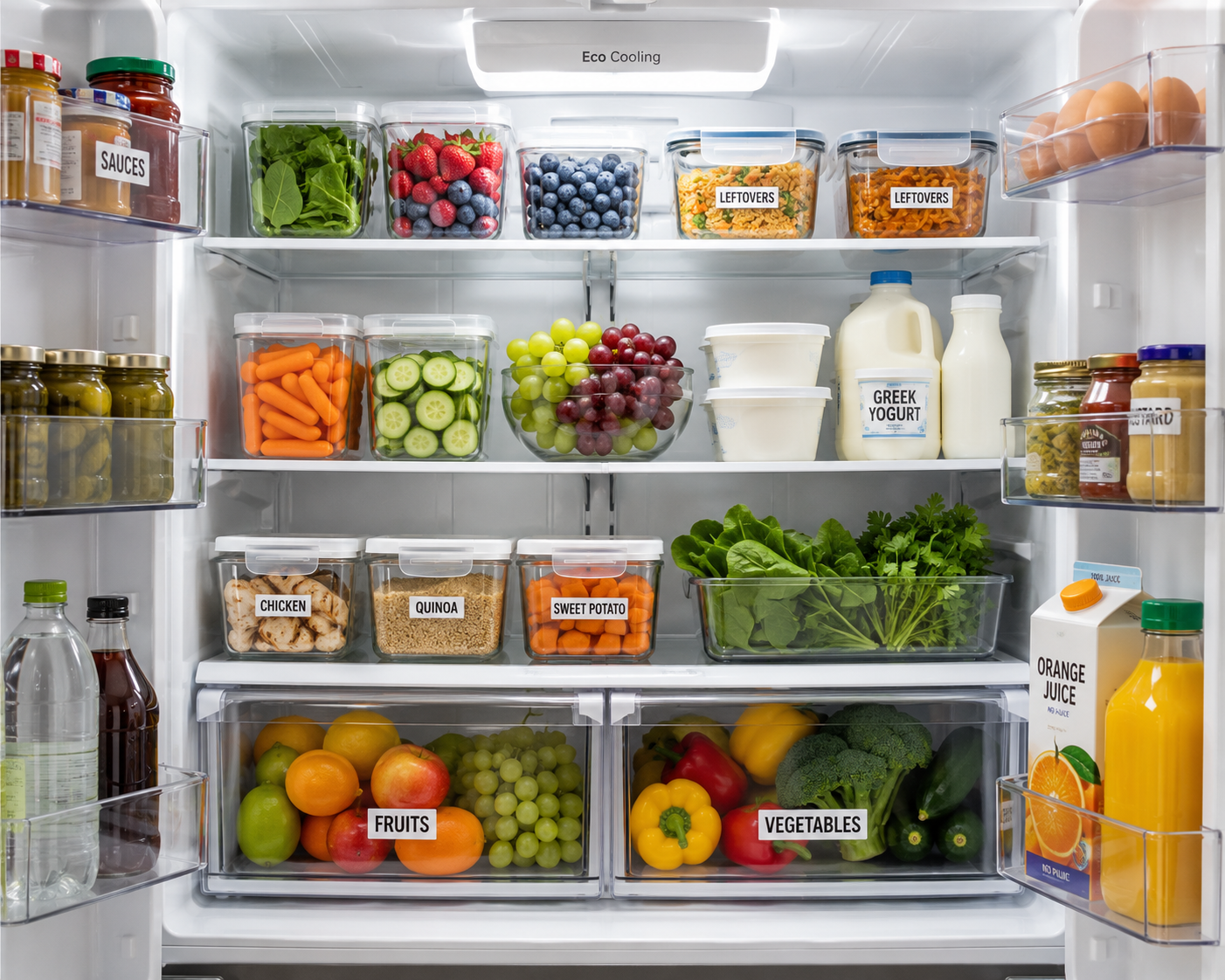
10 Refrigerator Mistakes You Should Stop Making Today
Your refrigerator works 24 hours a day to keep food fresh and safe. However, a few common habits can reduce its cooling efficiency, waste electricity, and even shorten the shelf life of your groceries.
Here are the biggest refrigerator mistakes and how to avoid them.
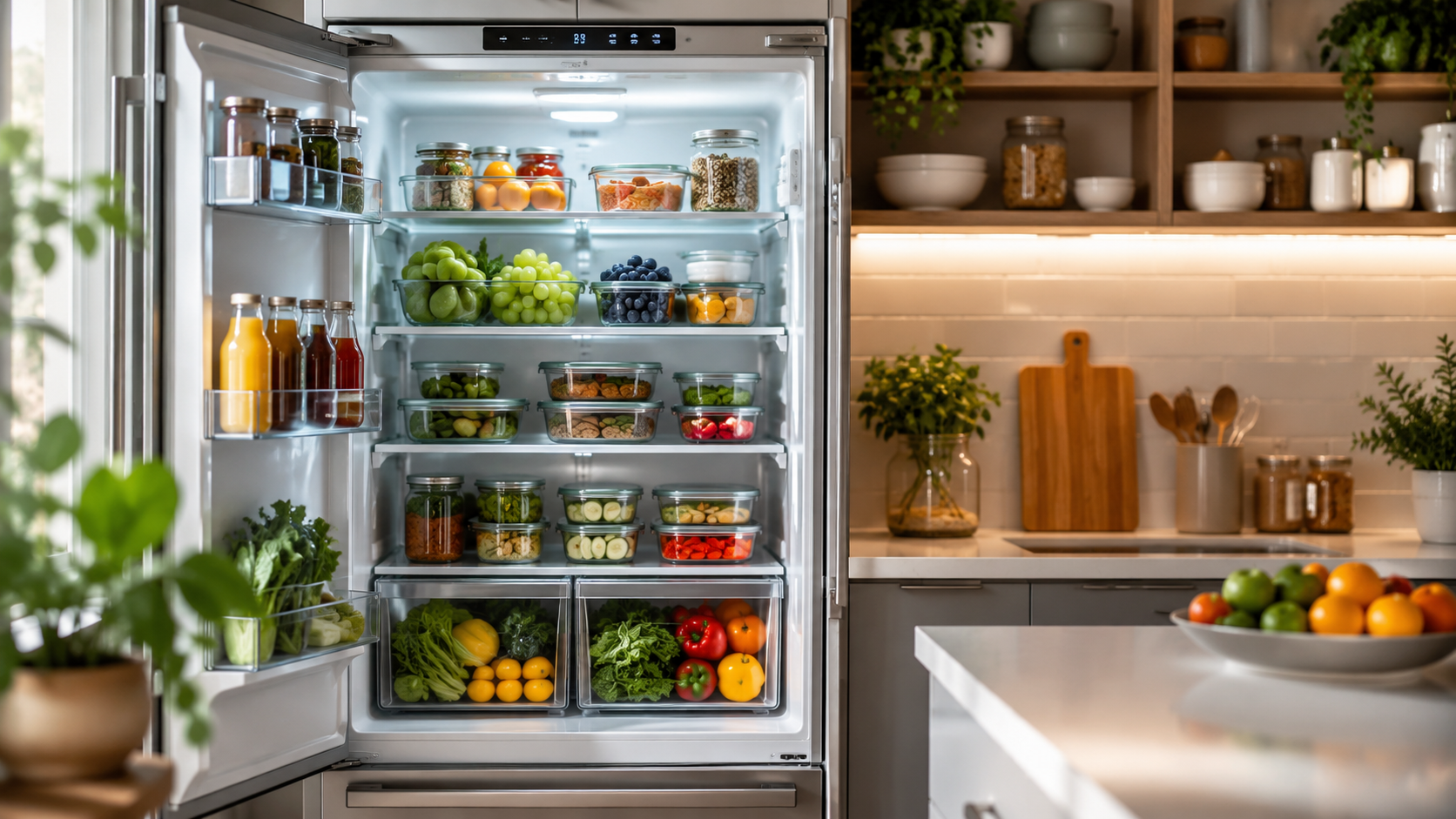
1. Opening the Refrigerator Too Often
Every time the door is opened, warm air enters and cold air escapes.
Frequent opening forces the compressor to work harder to restore the correct temperature, especially during hot summer days.
Tip: Decide what you need before opening the door and close it quickly.
2. Leaving the Door Open
Even leaving the refrigerator door slightly open for a few minutes can cause the internal temperature to rise.
Always check that the door is completely closed after use.
3. Washing Fruits and Vegetables Before Storing
Many people wash produce before putting it in the refrigerator.
Extra moisture encourages mold growth and may cause fruits and vegetables to spoil faster.
Better option: Wash produce just before eating or cooking.
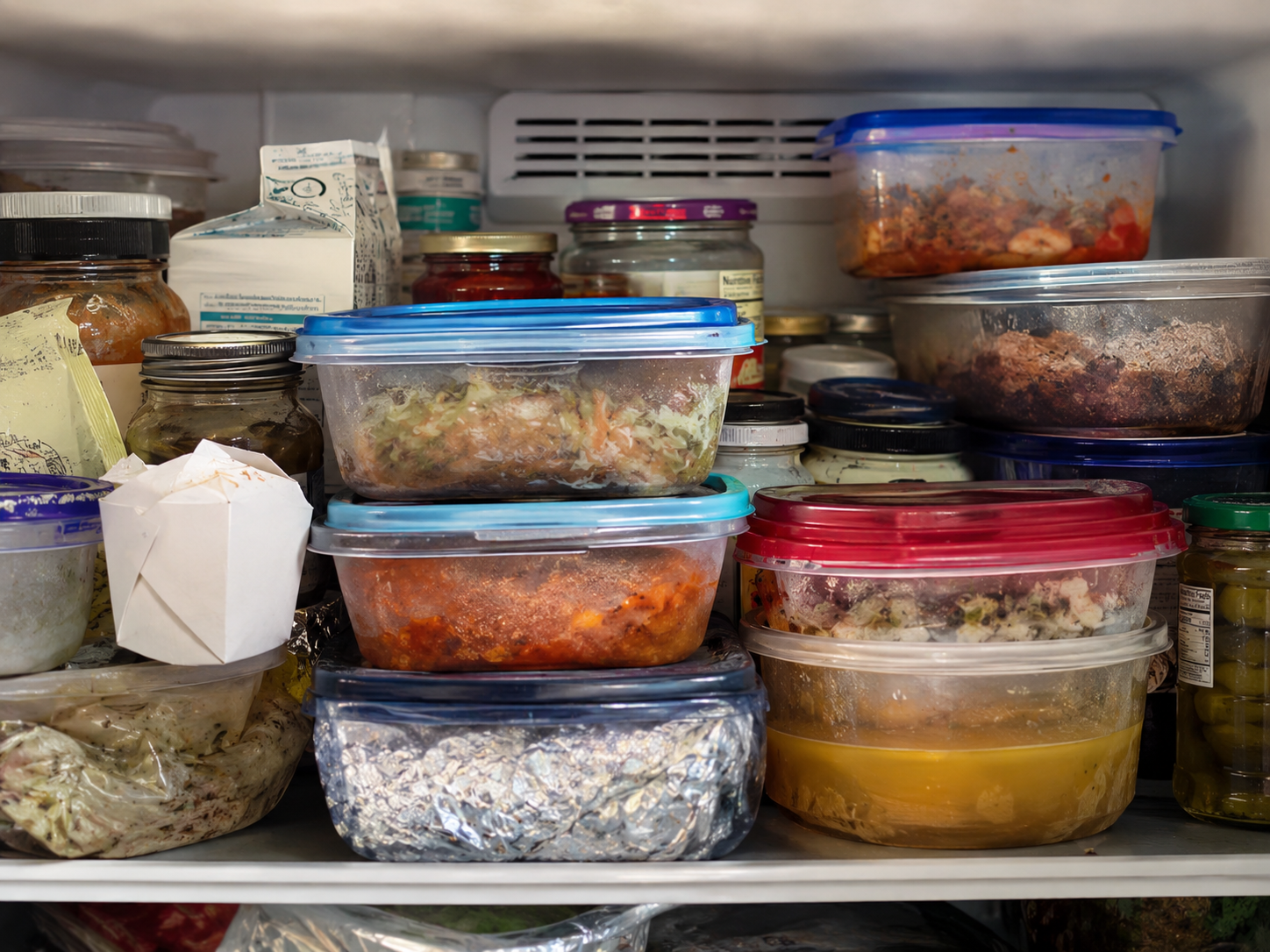
4. Overloading the Refrigerator
Packing every shelf completely full blocks air circulation.
Cold air needs space to move around food.
Leave small gaps between containers for better cooling.
5. Putting Hot Food Directly Inside
Hot dishes raise the temperature inside the refrigerator.
This makes the appliance work harder and may slightly warm nearby foods.
Instead, let cooked food cool for a short time at room temperature before refrigerating. Avoid leaving perishable food out for extended periods.
6. Constantly Reheating Leftovers
Repeatedly cooling and reheating the same food can reduce its quality.
Store leftovers in smaller portions so you only reheat what you plan to eat.
7. Storing Everything on the Wrong Shelf
Different areas of a refrigerator can have slightly different temperatures depending on the model.
A common organization method is:
- Top shelves: ready-to-eat foods and leftovers
- Middle shelves: dairy products
- Bottom shelf: raw meat, poultry, and fish (to prevent drips onto other foods)
- Crisper drawers: fruits and vegetables
- Door shelves: sauces, drinks, and condiments
Always follow your refrigerator manufacturer's recommendations if they differ.
8. Forgetting to Clean the Condenser Coils
Dust on the condenser coils makes the refrigerator less efficient.
Cleaning the coils every few months helps improve performance and may reduce electricity consumption.
9. Placing the Refrigerator Too Close to Heat
Avoid placing your refrigerator next to:
- Ovens
- Stoves
- Direct sunlight
- Radiators
Extra heat forces the compressor to work harder.
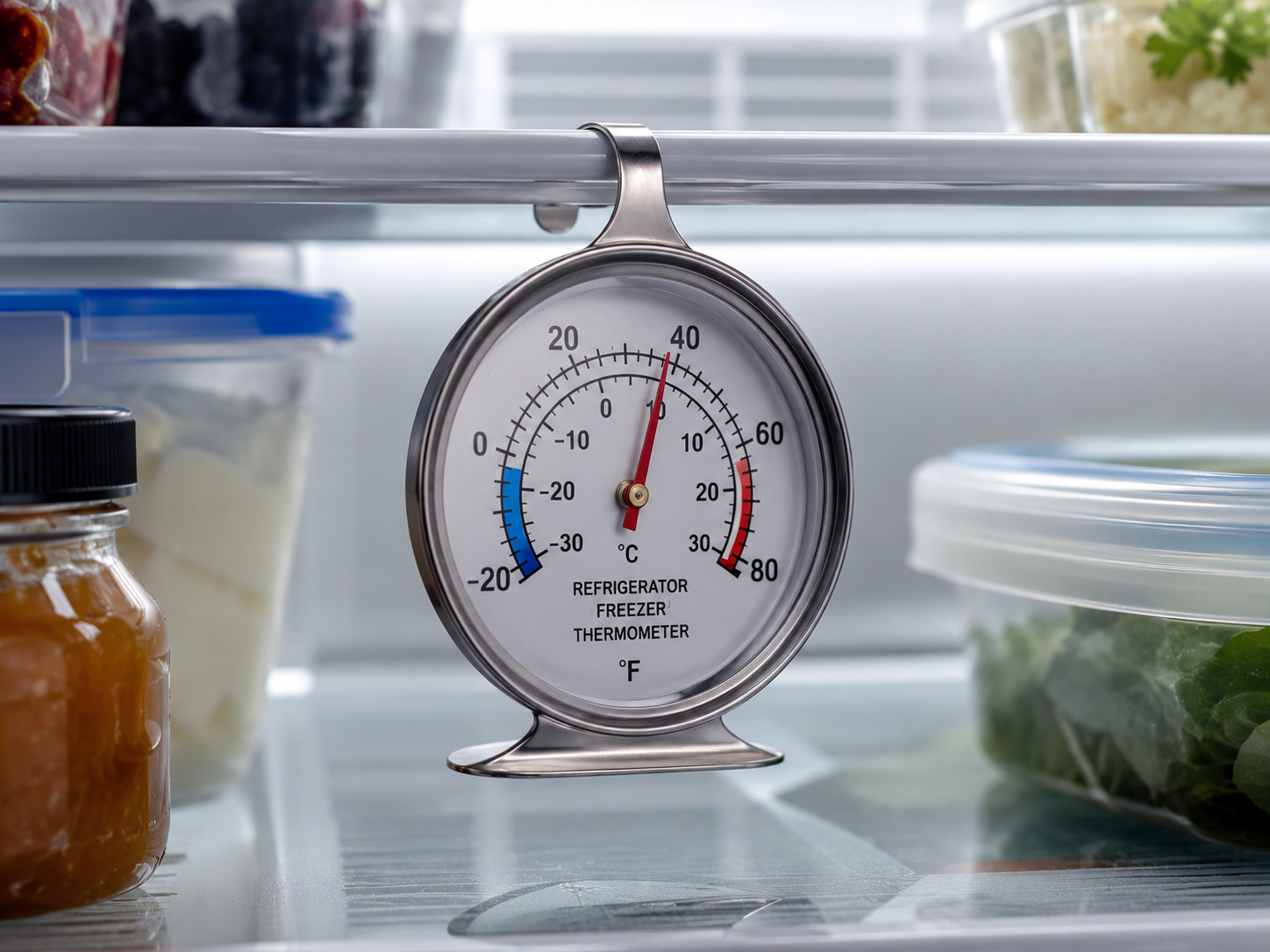
10. Never Checking the Temperature
For food safety, aim for:
- Refrigerator: 40°F (4°C) or below
- Freezer: 0°F (-18°C)
An inexpensive refrigerator thermometer can help ensure your appliance stays at the proper temperature.
Bonus Tips
- Store leftovers in airtight containers.
- Label leftovers with the date.
- Clean spills immediately.
- Check expiration dates regularly.
- Avoid blocking the air vents inside the refrigerator.
Frequently Asked Questions
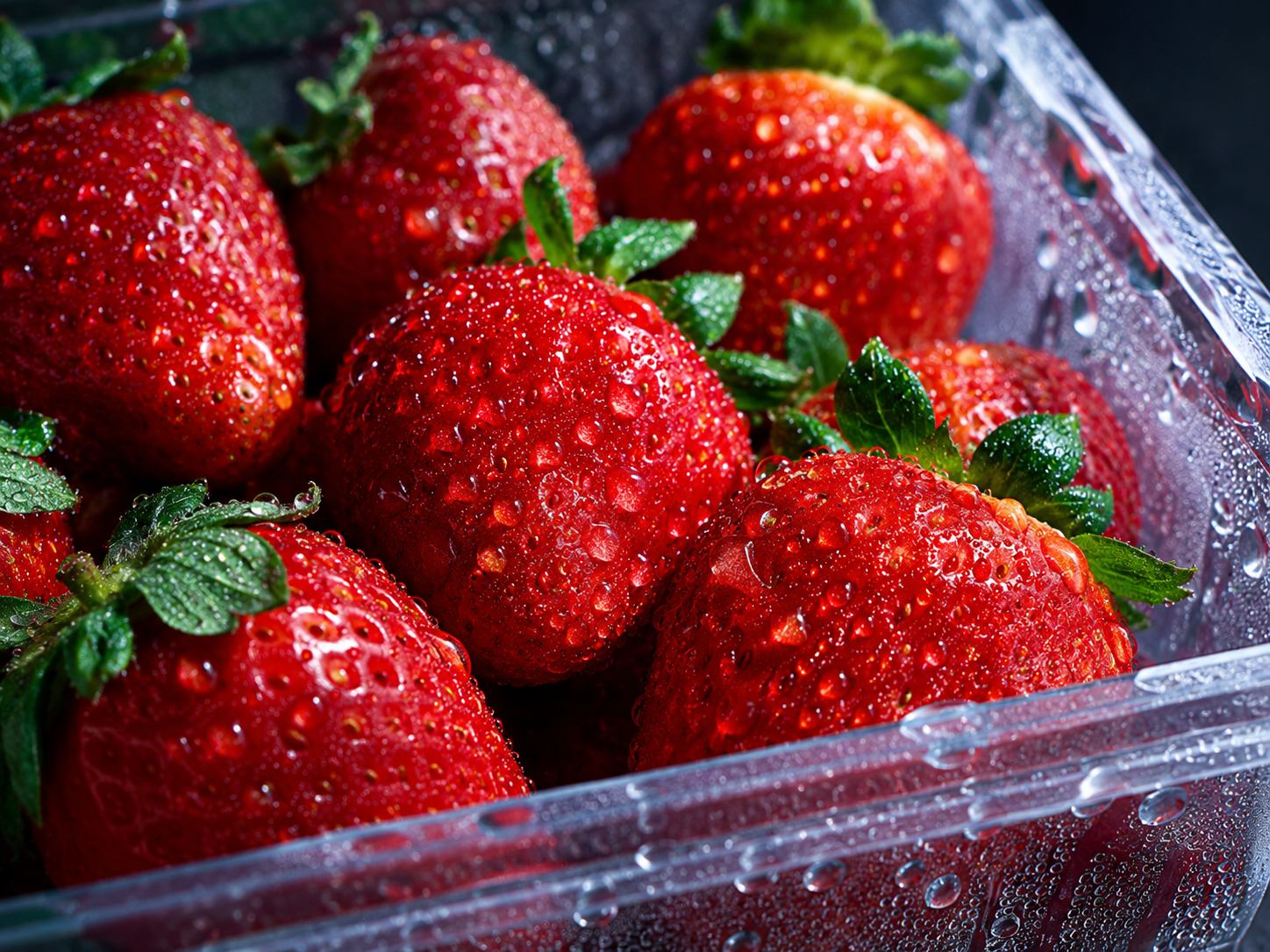
Should I wash strawberries before refrigerating?
No. Washing strawberries before storage adds moisture and can make them spoil faster. Wash them just before eating.
Why isn't my refrigerator cooling properly?
Common causes include overloading, dirty condenser coils, poor airflow, or a door that isn't sealing properly.
Can I put hot food directly in the refrigerator?
It's better to let hot food cool briefly before refrigerating, while avoiding leaving it out too long. This helps maintain the refrigerator's temperature and food quality.
Final Thoughts
Small refrigerator habits can make a big difference. By storing food correctly, allowing good airflow, and keeping your appliance clean, you'll help food stay fresher for longer while reducing unnecessary energy use.